Your kids already know your shadow side
Dear Friend,
Kerry here!
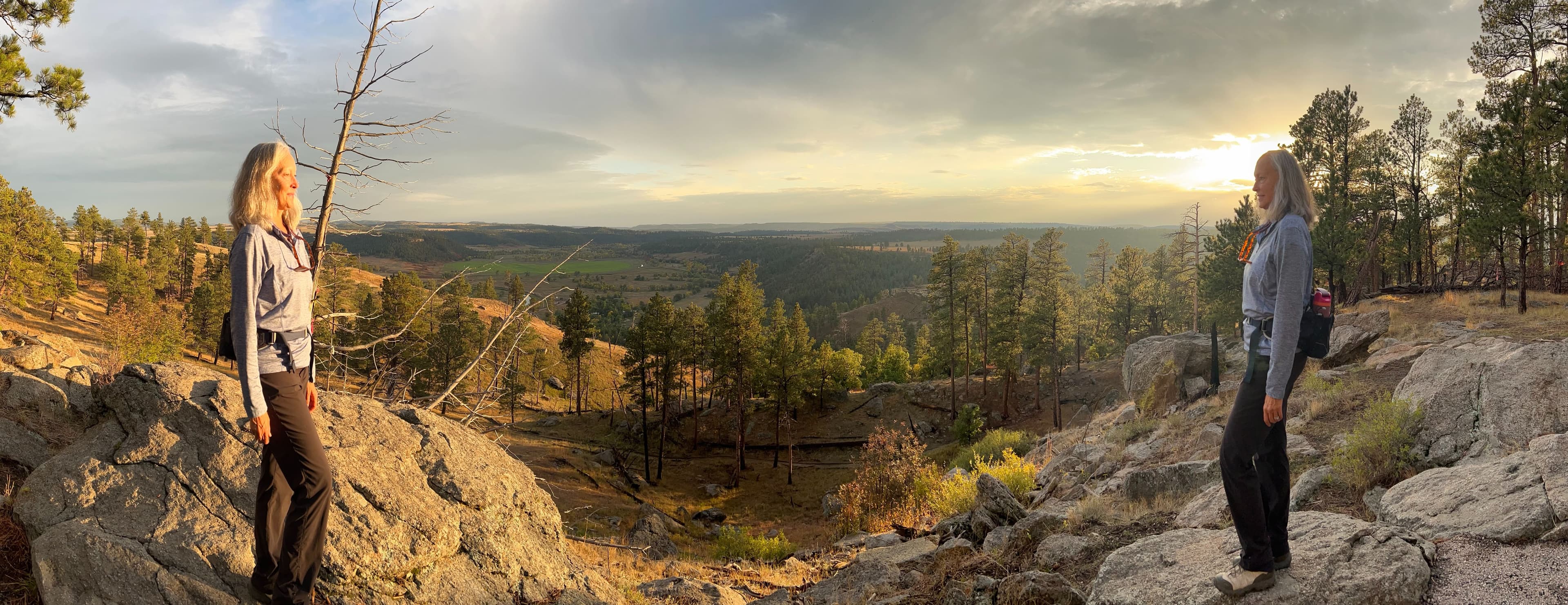
Take a look at this photo. That's me on a hilltop at sunset, looking at... me. One of me is standing in warm, golden sunlight. The other is backlit, standing in the shadow.
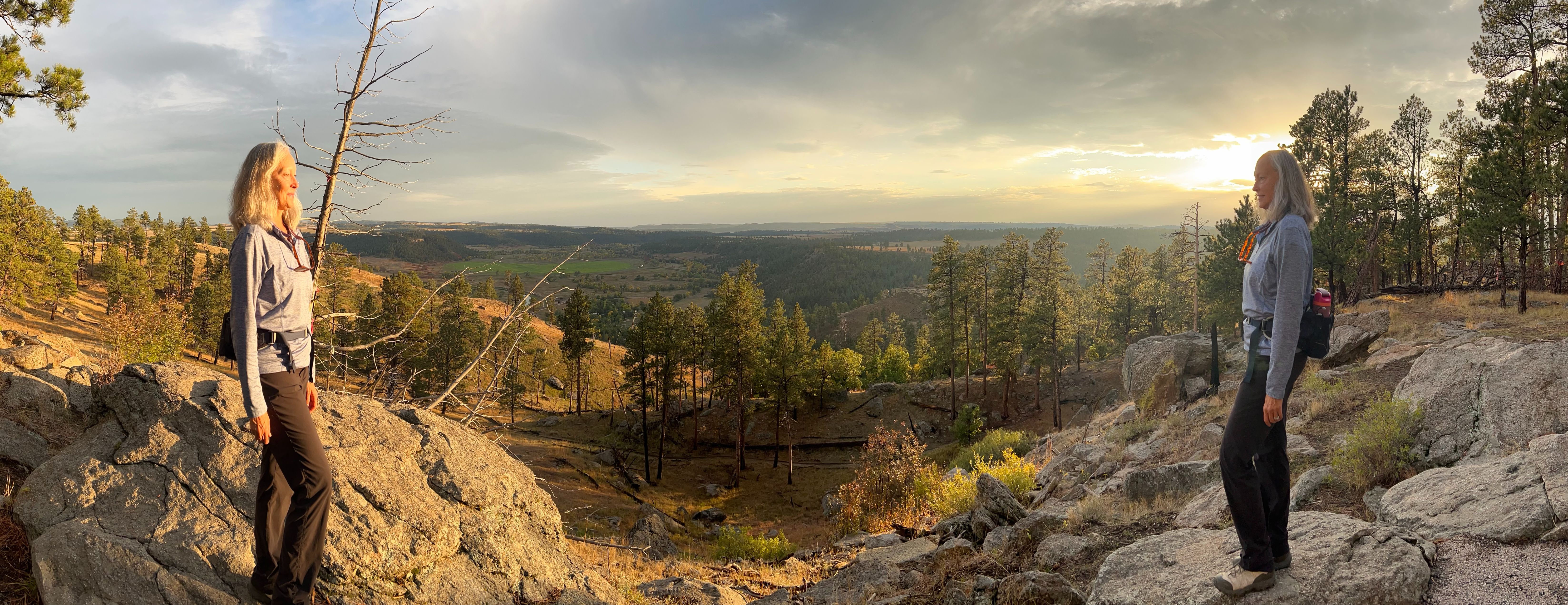
It might be the most honest portrait anyone's ever taken of me. We all have both: a light side and a shadow side. And how we handle our shadow side in our relationships is one of the biggest things we teach our kids about relationships, too.
Our light side is the version of us we show the world. It shows up strong in a new relationship and our social media posts. It's also the part that's easiest to be around.
Our shadow side is the part we tuck away from public view. It might show up when we're stressed, as shutting down, withdrawing, or going into attack mode. (Anger is a very protective feeling.) It might be insecurities that leak out, or treating people in ways we wouldn't want our friends to see.
But here's what surprises people: sometimes our shadow side looks like a light side. It can be a good quality turned up too loud. It's over-helping when no one asked, or being too nice when the situation doesn't call for it. It's the clown who keeps everyone laughing so no one gets too close, or the therapist who puts on her analytical therapist hat when she's actually hurt. (Who, me? Never!) They look like strengths, but they're actually ways of protecting ourselves.
Chipper topic, right? Hang with me, because this is important.
When we look into our past, our shadows always make sense. Most began as a smart childhood strategy for getting what we needed from the people around us. They're the parts my clients carry into my office, set down on the ottoman in front of the couch, and say, "Can we work on this? It's getting in my way." Having a shadow side isn't the problem. What matters is whether we can name it, own it, have compassion for it, and manage it rather than letting it manage us.
Since I'm asking you to look at yours, I'll go first. My shadow is being too nice when the situation doesn't call for it, and being accommodating when I actually disagree. My way of coping used to be appearing needless and wantless: be nice, don't bring up hard stuff. That made sense when I was little. As an adult, it may or may not have led me into a significant relationship with someone who was happy to take up all the space I wasn't taking. If this sounds familiar, I wrote more about how our younger selves shape our patterns in what teenage me would hate for parents to know.
Another place to look for your shadow is in your unreasonable expectations of yourself, like believing you can be furious at your kid one minute and a perfectly nurturing, loving parent the next.
What Your Shadow Side Looks Like at Home
Unmanaged: Snapping at your kid about their messy room when you're actually stressed about work, and never mentioning it again.
Managed: "I was short with you earlier. That was about my day, not you, and I'm sorry."
Unmanaged: Fixing your teen's problem before they've even finished telling you about it.
Managed: "Do you want help, or do you want me to just listen?"
Unmanaged: Going quiet and cold for a day after a fight with your teen or partner.
Managed: "I need some time to cool off. I'll come find you after dinner."
Notice that managed doesn't mean perfect. The shadow still shows up. The difference is that you name it and come back.
What You're Teaching Your Kids About Your Shadow Side
Your kids have already seen your shadow side. Every time you name it and repair it, you're showing them what to do with theirs. If you want more on how your own inner dialogue shapes what they absorb, I touch on that in What's Your Inner Voice Teaching Your Kid?
You're also teaching them what to look for in other people. The goal isn't to find perfect friends or partners, because there aren't any. The goal is to get curious about someone's shadow, because it shows where their wounds are. How they handle it tells you how much work they've done on themselves, and how psychologically safe they'll be to be around once the newness wears off.
A teen who understands this is less likely to fall for someone's light side and get blindsided by their shadow six months later. And a teen who knows their own shadow knows exactly where to focus their own work.
Try This Week
- Name yours out loud: "When I'm stressed, I get snappy. That's my shadow side, and I'm working on it."
- Repair out loud when it leaks out, because it will. Your repairs teach more than any lecture.
- Ask your teen: "What are you like when you're stressed or embarrassed? What helps you come back?"
- Give them the friend-and-partner question: "What happens when they don't get their way? Do they come back and own it?" Add one yellow flag: be wary of anyone who says they don't really have a shadow side. Everyone does. The safest people are the ones who can name theirs.
Back to that photo. Neither version of me on that hilltop is the fake one. The work is getting them to look each other in the eye.
Warmly,
Kerry and Palmer